Best Perth Suburbs for Land Development ROI
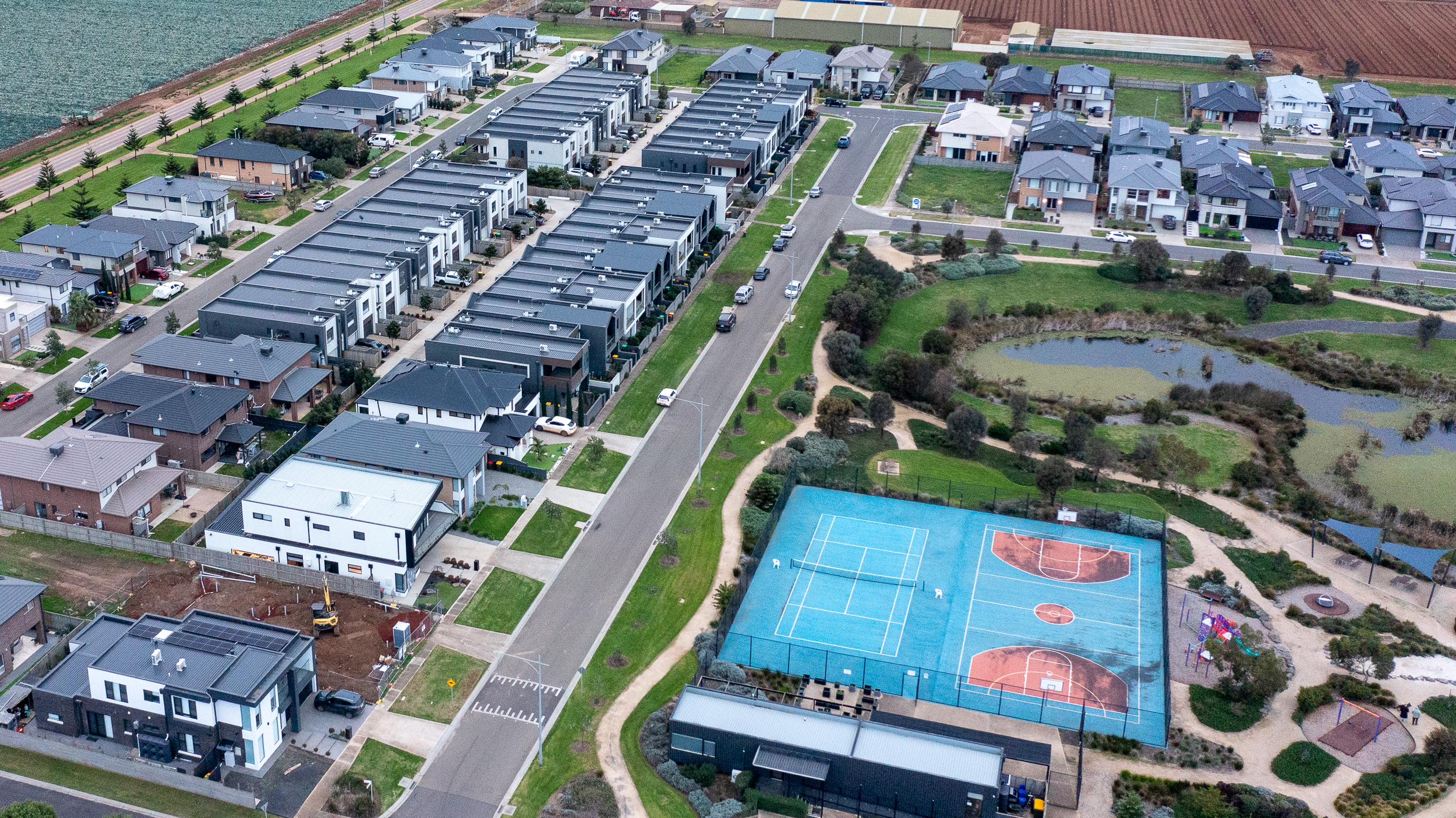
Best Perth Suburbs to Consider for Land Development ROI
Perth suburbs for land development ROI are attracting serious attention from homeowners, small developers and builders looking for sites that can deliver more than simple capital growth. With demand for housing still strong and land supply tight, the right block in the right suburb can create a real opportunity. The wrong block can quickly become expensive, slow and frustrating. At Perth Surveying, we help clients test the site conditions, boundaries and subdivision pathway before decisions are made.
That is why suburb selection should never come down to a hot tip or suburb ranking alone.
A good development site needs more than a big backyard. It needs the right zoning, practical access, manageable site conditions, service availability, realistic end values and a clear approval pathway. A feature and contour survey, boundary review and early subdivision advice can help you understand those factors before you commit.
Perth’s planning direction also supports more infill development. The Perth and Peel planning framework aims for almost half of the required 800,000 new homes to be delivered through infill, with a minimum of 380,000 new homes expected from established areas.
That does not mean every established suburb is a strong development play. It means buyers need to look carefully, compare suburbs properly and confirm what a site can actually do.
Why Perth Suburbs for Land Development ROI Need a Smarter Approach
Many buyers start with a simple question. Which Perth suburb will give me the highest development return?
The better question is this.
Which suburb, and which specific block, gives me the best balance of purchase price, planning potential, buildability and resale demand?
A suburb can look attractive on paper, but the numbers may fall apart once you allow for demolition, retaining, sewer connection, drainage, power upgrades, tree retention, design changes, holding costs and approval delays.
Western Australia’s Residential Design Codes, commonly called the R-Codes, provide planning and design provisions for residential development across WA. They are also used when assessing residential subdivision proposals, alongside other subdivision policy settings.
In simple terms, the R-Code helps influence what can be built on residential land. A higher code may allow greater density, but the site still needs to meet practical requirements.
Before chasing the next hotspot, ask these questions.
- Is the block genuinely subdividable under current planning rules?
- Is the frontage wide enough for the likely design?
- Will services support the new lots?
- Are there slope, retaining or drainage issues?
- Will the end product suit buyers in that suburb?
- Does the resale value justify the total project cost?
Strong ROI usually comes from certainty, not guesswork. That certainty starts with reliable site information, clear survey deliverables and early advice from people who understand Perth development conditions.
Market Conditions Supporting Perth Land Development
Perth has seen strong property price movement, tight supply and growing pressure for housing choice. REIWA reported that Perth’s median house sale price rose to $890,000 in the March 2026 quarter, while the median unit sale price increased to $635,000.
Land has also become more competitive. Greater Perth’s average new land price reached $424,025 in early 2026, which was reported as a record high for the region. Low stock levels and strong demand have added pressure across the market.
For developers and homeowners, this creates both opportunity and risk.
Rising values can improve project feasibility, especially where older homes sit on larger lots in established suburbs. At the same time, higher purchase prices leave less room for error. A site that looked profitable six months ago may not stack up today if acquisition costs have moved faster than resale values.
That is why Perth Surveying encourages early site due diligence before you rely on a suburb trend, agent estimate or assumed lot yield. A small upfront check can help avoid a much bigger mistake later. Where possible, confirm zoning, levels, boundaries, services and likely approval requirements before signing an unconditional offer.
Inner and Middle Ring Suburbs with Development Appeal
Inner and middle ring suburbs often attract developers because they offer established amenities, transport links, schools, lifestyle appeal and stronger buyer depth.
Areas such as Bayswater, Maylands, Inglewood, Mount Lawley and South Perth are often reviewed by buyers because of their amenity, infrastructure access and lifestyle appeal.
These suburbs can suit developers who are targeting premium end values, but there is a catch.
Entry prices are usually higher. Older homes may carry character, heritage or streetscape considerations. Smaller lots can also limit design flexibility.
Suburbs Worth Testing
This list is not investment advice or a guarantee of subdivision potential; it is a starting point for site-specific due diligence. Start with the suburb, then confirm whether the individual block supports the strategy.
For inner and middle ring opportunities, buyers often review suburbs such as:
- Bayswater
- Maylands
- Inglewood
- Mount Lawley
- Victoria Park
- Como
- Carlisle
- Belmont
- Cloverdale
- Redcliffe
These areas may suit townhouse, grouped dwelling or retain-and-build strategies where zoning, lot size, access, services and site levels allow.
The key is to avoid assuming that one successful project means the next block will work the same way. Two neighbouring properties can have very different outcomes once levels, sewer position, easements and local planning controls are checked.
Established Value Suburbs for Subdivision Potential
Some of the most practical land development opportunities are found in established suburbs where older housing stock sits on usable blocks, and buyer demand is still strong.
These suburbs may not always have the prestige of inner-ring locations, but they can offer a better entry price and stronger yield potential.
Examples include:
- Balga
- Nollamara
- Westminster
- Girrawheen
- Morley
- Beechboro
- Cannington
- Queens Park
- Maddington
- Gosnells
For small developers, these suburbs may offer a more accessible starting point. A duplex, triplex or retain and build project may be possible on the right site, subject to zoning and approval.
This is where many first-time developers see opportunity, and in some cases, rightly so. Before design work begins, a reliable feature and contour survey can help identify levels, existing features and constraints that may affect the project.
A lower purchase price does not automatically mean better ROI. If site works are high, services are difficult, resale demand is weaker than expected, or approvals take longer than planned, the margin can narrow quickly.
Coastal and Lifestyle Suburbs with Selective Development Upside
Coastal and lifestyle suburbs can offer strong resale demand, especially where buyers are willing to pay for location, beach access and an established community feel.
Suburbs such as Spearwood, Hamilton Hill, Palmyra, Willagee, Coolbellup and parts of Scarborough can appeal to developers looking for projects with lifestyle-driven end value.
These areas often suit:
- Survey strata subdivision
- Townhouse development
- Retain and build projects
- Small lot residential design
The challenge is competition. Many experienced buyers watch these suburbs closely. By the time a site is listed publicly, the price may already reflect its perceived development potential.
Before making an offer, confirm the basics with proper site due diligence. These details can materially affect design options, approval timing and construction cost. If the site needs major retaining or complex service work, the headline opportunity may not translate into profit.
Growth Corridor Opportunities for Land Development ROI
Perth’s growth corridors continue to play a major role in housing supply. UDIA WA reported that Perth remains one of Australia’s leading greenfield markets, with tight supply continuing to push up land prices.
Greenfield and fringe growth areas can be attractive because they may offer larger parcels, clearer estate planning and demand from families seeking new homes.
Areas to watch include:
- Wanneroo
- Alkimos
- Eglinton
- Yanchep
- Baldivis
- Byford
- Armadale
- Serpentine Jarrahdale
These opportunities are different from established infill projects and should be assessed with a different feasibility model. The feasibility model is different. Developers may need to consider staging, civil works, road access, servicing, environmental constraints and longer timeframes.
Structure plans are especially important in these areas. WA planning guidance describes structure plans as key tools for coordinating future zoning, subdivision and development of land, including greenfield and infill locations.
For larger projects, subdivision administration and clear survey coordination become critical. This is where Perth Surveying’s subdivision administration support can help keep documentation, survey requirements and project steps moving in the right order. Delays can affect finance, builder commitments and settlement timelines.
How to Compare Suburbs Before Buying a Development Site
A shortlist is useful, but it is only the first step.
Use the checklist below before you rely on a suburb name, agent comment or assumed development yield. This helps remove emotion from the decision and makes it easier to walk away when the numbers do not work.
Planning and Zoning
Check the R-Code, local planning scheme, structure plan and any local development plan. Local governments are responsible for planning controls in their areas, including scheme text and maps.
Site Dimensions
A block may look large enough, but width, depth and shape matter. Battleaxe access, driveway width and building envelopes can affect the outcome.
Levels and Drainage
Slope can increase retaining and stormwater costs. A feature and contour survey helps designers and builders understand the site properly from the beginning.
Boundary Certainty
A boundary survey can confirm the legal land boundaries and reduce the risk of design, approval or construction issues later.
Services
Sewer, water, power and drainage connections can influence both cost and layout. Service location is especially important for retaining and building projects.
End Buyer Demand
A profitable development needs a product that buyers or renters actually want. A three-bedroom townhouse may work well in one suburb, while a compact villa may perform better in another.
Timing and Holding Costs
Approval delays, design revisions and title issuing timeframes all affect ROI. Perth Surveying can help identify the survey information needed early, so planners, designers and builders are not working from assumptions. The fastest path is not always the cheapest, but uncertainty is rarely profitable.
The Role of Surveying in Better Development Returns
Surveying is not just a technical box to tick; it is one of the earliest ways to reduce uncertainty in a development project. It is one of the first steps in project certainty.
For developers and homeowners, Perth Surveying can assist with:
- Feature and contour surveys
- Boundary surveys
- Subdivision field surveys
- Residential construction setouts
- Subdivision administration
- Developer and builder survey support
Good survey information helps architects, planners, engineers and builders make better decisions. It can also reduce rework, design changes and avoidable delays.
For builders, clear survey deliverables support smoother scheduling. For homeowners, they make the subdivision process easier to understand. For developers, they help confirm whether the site can realistically achieve the return being targeted.
That is surveying done properly. Clear deliverables, clear timelines and guidance you can rely on.
So, Which Perth Suburbs Offer the Best Land Development ROI
There is no single suburb that wins for every buyer.
For premium infill potential, suburbs such as Bayswater, Maylands, Inglewood, Victoria Park and South Perth may be worth reviewing.
For more affordable development entry points, suburbs such as Balga, Nollamara, Westminster, Maddington, Gosnells and parts of Cannington may deserve attention.
For lifestyle-based resale demand, suburbs such as Willagee, Coolbellup, Hamilton Hill, Palmyra and Spearwood can be worth testing.
For larger land and corridor growth, areas around Wanneroo, Yanchep, Baldivis, Byford and Serpentine Jarrahdale may suit more experienced developers.
The best suburb is the one where the site, numbers, planning controls and buyer demand all line up.
Conclusion
Perth suburbs for land development ROI should be assessed with discipline, not hype. Perth’s market conditions are creating opportunities, but higher prices and tight supply mean there is less room for mistakes.
Look for suburbs with strong demand, practical zoning, usable lots, service access and realistic end values. Then test the individual site before you buy.
A development site is only as good as the due diligence behind it.
Need clarity before you commit to a development block? Perth Surveying can help you understand the site conditions, boundaries and likely subdivision pathway with reliable local surveying support.
Call: 08 9303 2407
Email: sales@perthsurveying.com.au
Visit: perthsurveying.com.au
FAQs
Do I Need a Survey Before Making an Offer on a Development Site?
It is strongly recommended. A survey can help confirm levels, site features and boundary information that may affect design, subdivision potential and project costs.
Can a Large Backyard Always Be Subdivided in Perth?
No. Lot size is only one factor. Zoning, frontage, access, sewer location, local planning rules, slope and existing structures can all affect whether a subdivision is practical.
How Early Should I Involve a Surveyor in a Subdivision Project?
The earlier the better. Involving a surveyor before design or purchase decisions can help identify site constraints, reduce delays and give your planner, architect or builder clearer information to work from.
Do Surveyors Tell Me Which Perth Suburb to Buy In?
No. Perth Surveying does not provide property investment advice. We help you assess whether a specific site has the survey, boundary, level and subdivision conditions needed to support your development plans.
